Drawing on Data

This weekend I am running a workshop called Drawing on Data, and I am trying to articulate the roots of this idea.
Like most people, connections to nature and creativity take me back to childhood. I was lucky enough to grow up on the countryside in a farmhouse very near the coast. Like most 'seventies kids I was allowed to roam unmonitored. My siblings and I had regular routes: along the disused railway track or straight down an overgrown boggy path emerging beside a wartime pill box in the middle of the beach. I was shy, self-conscious and frightened of the cows. The fields and paths for me were a sphere for my imagination, a protracted peace where I could read or dream.
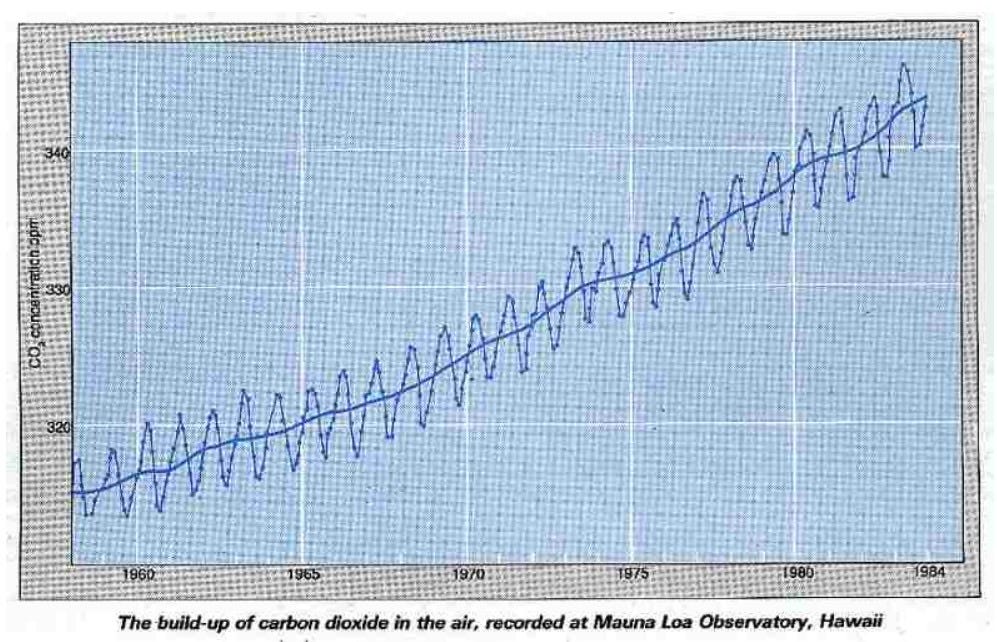
Back then, while I read books, my brother collected things: steam railway paraphernalia, sloes for gin, berries, fungi. We pored over his SAS Survival Manual and he knew what to eat and what would poison you. He could build go-carts and had a heavy old microscope that he transported to school in a wooden box, telling the younger kids that there was dragon inside.
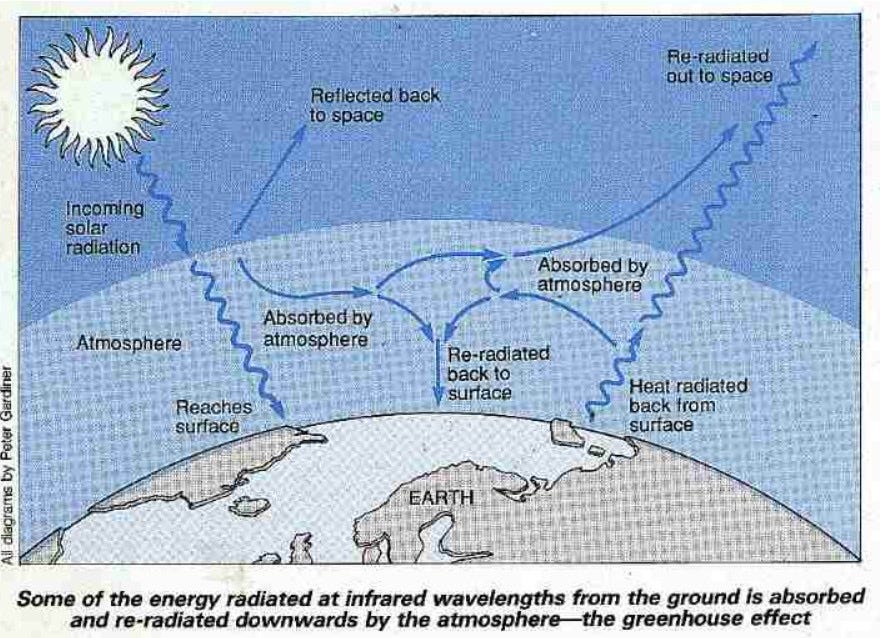
It was in his New Scientist magazine that I first read about The Greenhouse Effect. Looking at the diagrams that showed the trajectory of global heating, I felt the same sense of dread that had overwhelmed me four years earlier when Threads had broadcast.
I had listened frozen by the living room door to the ominous sound effects, unable to join my family. No-one, my dad said, would be insane enough to push the red button, but this didn't stop me calculating where my parents could get to in 4 minutes. When my teacher explained to us the purpose of nearby Fylingdale’s Early Warning Station, I walked out of the classroom because by then I had read Jonathan Schell’s The Fate of the Earth.
The climate threat however, was qualitatively different to nuclear wipe-out. It was a slow, insidious accumulation of carbon in the atmosphere promising to cook us over a long period. This was my future.
At primary school my terror at nuclear annihilation was met with mockery. At the age of 14, my talk on the Greenhouse Effect just inspired confusion. My brother helped me to wire up a shoebox model as a visual aid: the sun, a small bulb, would wink out as emissions in the form of cardboard clouds covered it up. The science was questionable, but maybe the making helped?
Although now much of my work centres around climate change learning, I have not been able to maintain that visceral fear felt in childhood and adolescence. It catches me in moments, and to be honest, has been somewhat eclipsed by horror at the ongoing genocide in Gaza.
First there is overwhelm, the paralysis an individual feels when powerful entities cause annihilation and upheaval. How can I grasp the injustice of something at the intersection of so many complex political and social systems? How can I feel a chart, diagram or statistic: numbers of dead, hectares of forest, years until tipping points are reached? As a teacher, I recognise both paralysis and alienation come up when knowledge is simply too big to process.
My PhD investigated how artists learn from one another, how they work together to construct meanings, fed by mutual motivation and support. I see how artists slowly build and rebuild identities and visibility for themselves and their practice. These communal entanglements (horizontal rather than hierarchical) are key to learning, and importantly, to practice. I don't think I really felt this myself until more recently as I witnessed a similar process happening in climate and campaigning spaces.
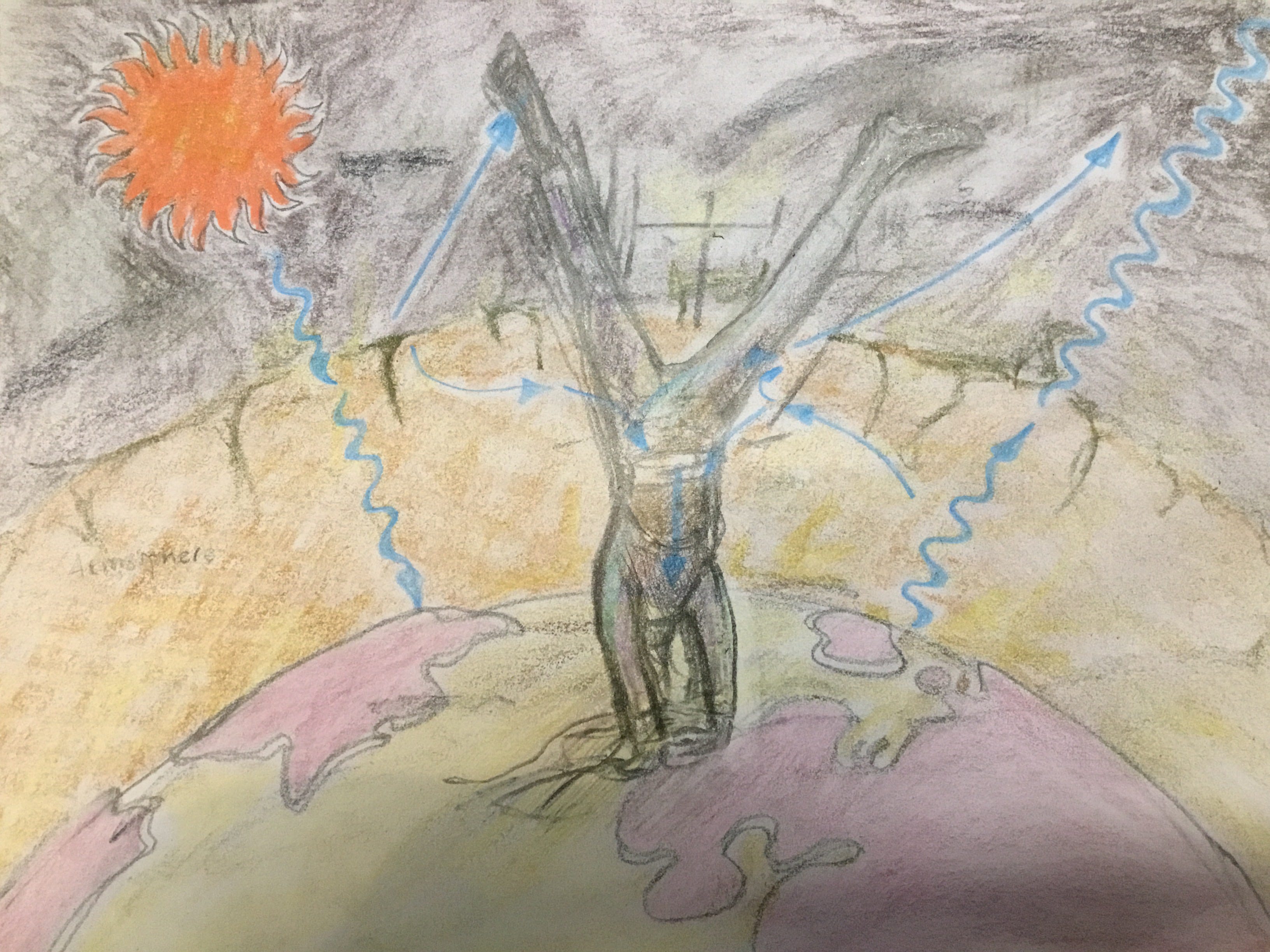
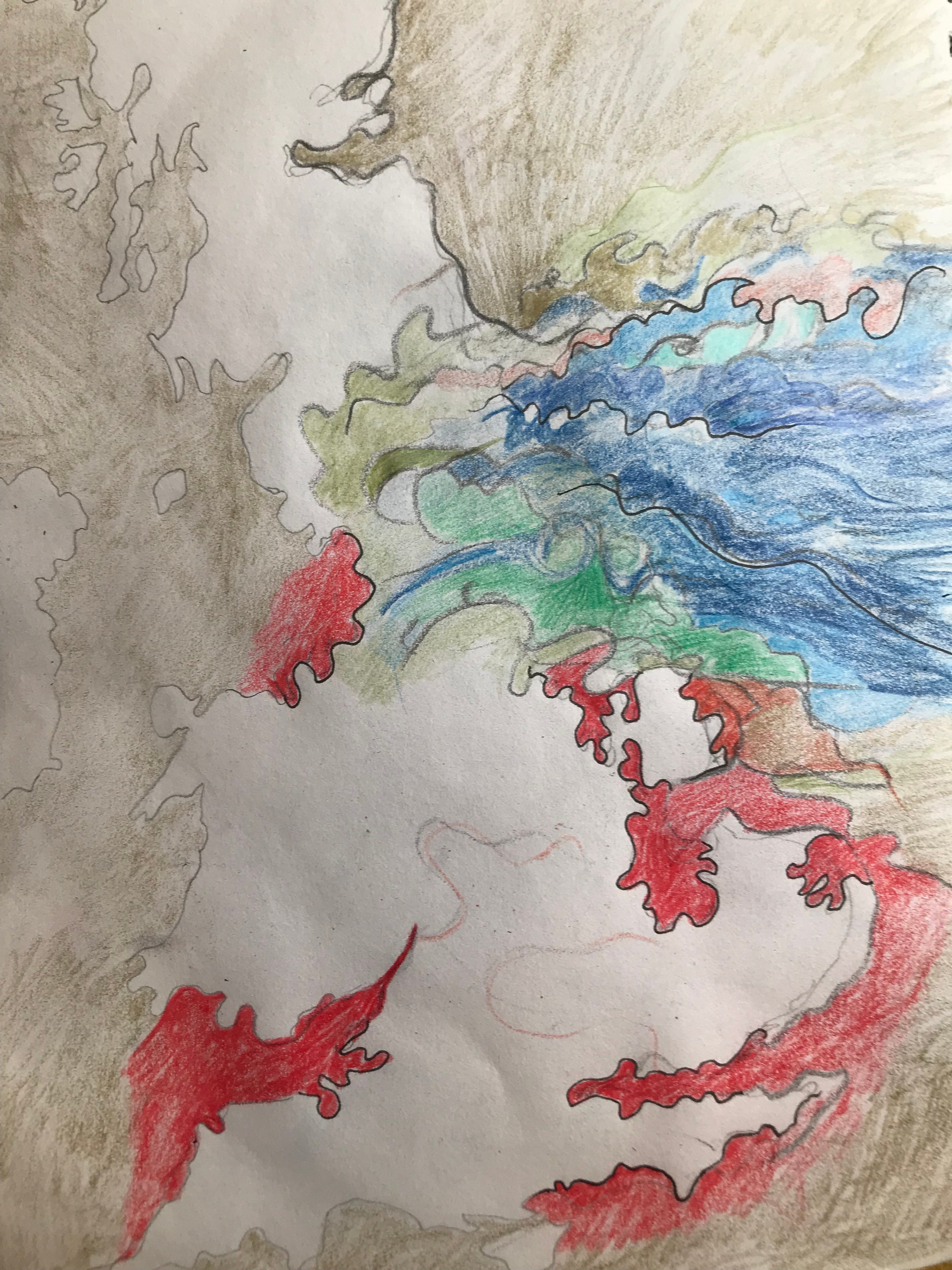
My OCD often demands that I know everything I can about a subject, regard it from every possible angle before I can be 'activated'. Obviously, this can be paralysing. Perfectionism and purely text-based knowledge have been characterised as colonial bullies that tyrannise us into protective cells, strengthen disciplinary boundaries and serve to maintain hierarchies of power.
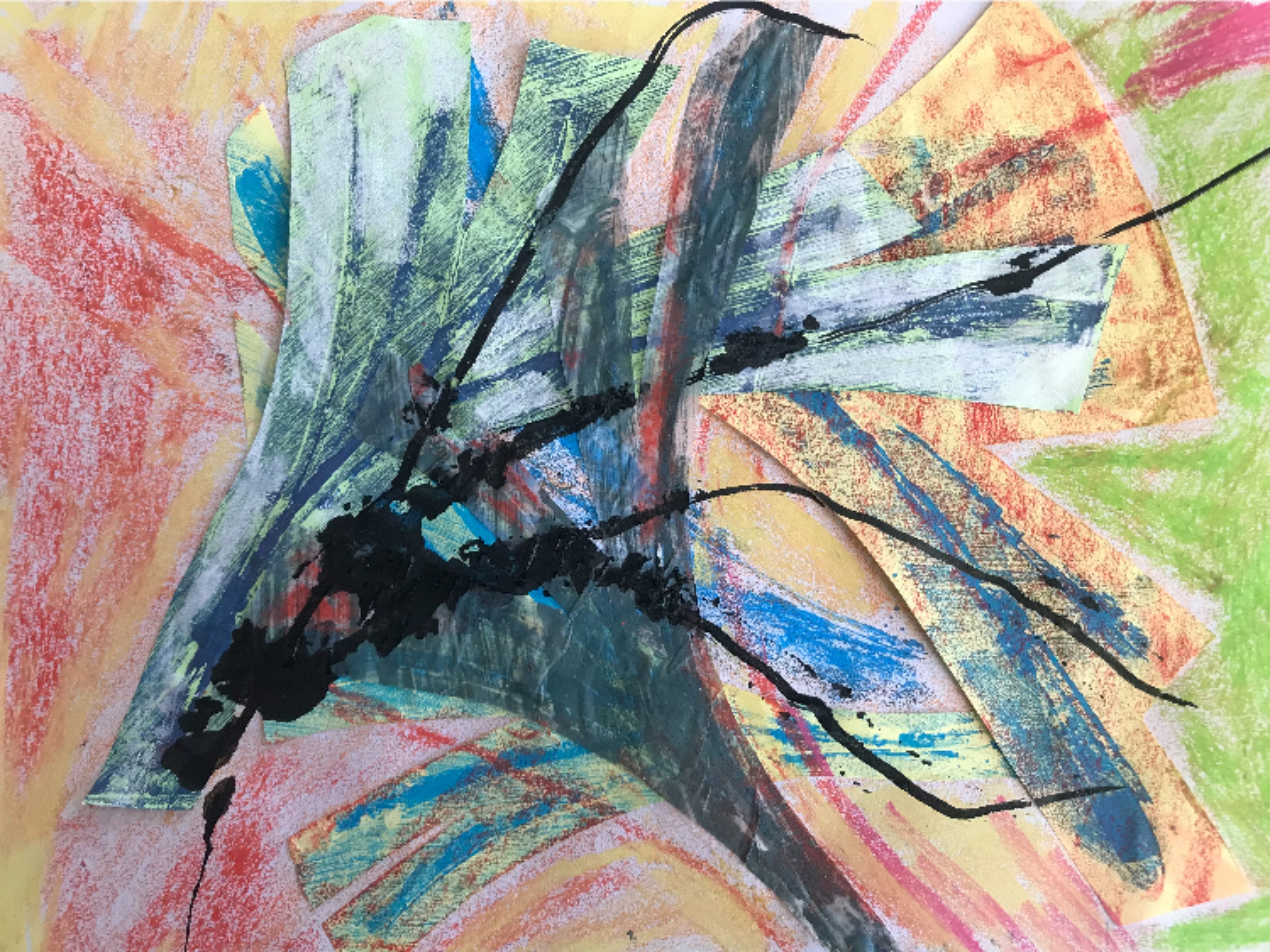
Drawing has become a tool for me to feel my way out of these self-imposed binds and find a way into different ways of knowing: towards the emotions that lie on the other side of overwhelm. I trace a line from an abstract graph or news report to the skin and pulse of human and non-human life. Drawing or creating in community with others means that the construction of knowing or understanding is a dynamic, a dialogic process. I had read Mezirow on active, transformational learning, but reading it and feeling this are different things.
Supported by communities, I am learning to rely upon my emotions again, to trust them as starting points for action. This is confusing in the sense that the constant voices of OCD lead you (often correctly) to doubt certain immediate reactions that can trigger compulsions. Moving through reactions that petrify, to the messy, uncomfortable emotions that allow you to act is a piece of work.
So, this learning is necessarily incomplete, and I have often heard in campaigning groups the words, 'you do not need to be an expert', particularly where information is constantly emerging and action needs to respond to constant change. I sometimes imagine what would have happened if, all those years ago, I had taken my unscientific overwhelm and found people to share it with, shown that diagram of the Greenhouse Effect to others, discussed it, explored the emotions it catalysed. I am learning to trust and value feeling as a form of knowing and art as an aid to understanding, processes that help me to find the courage to act.
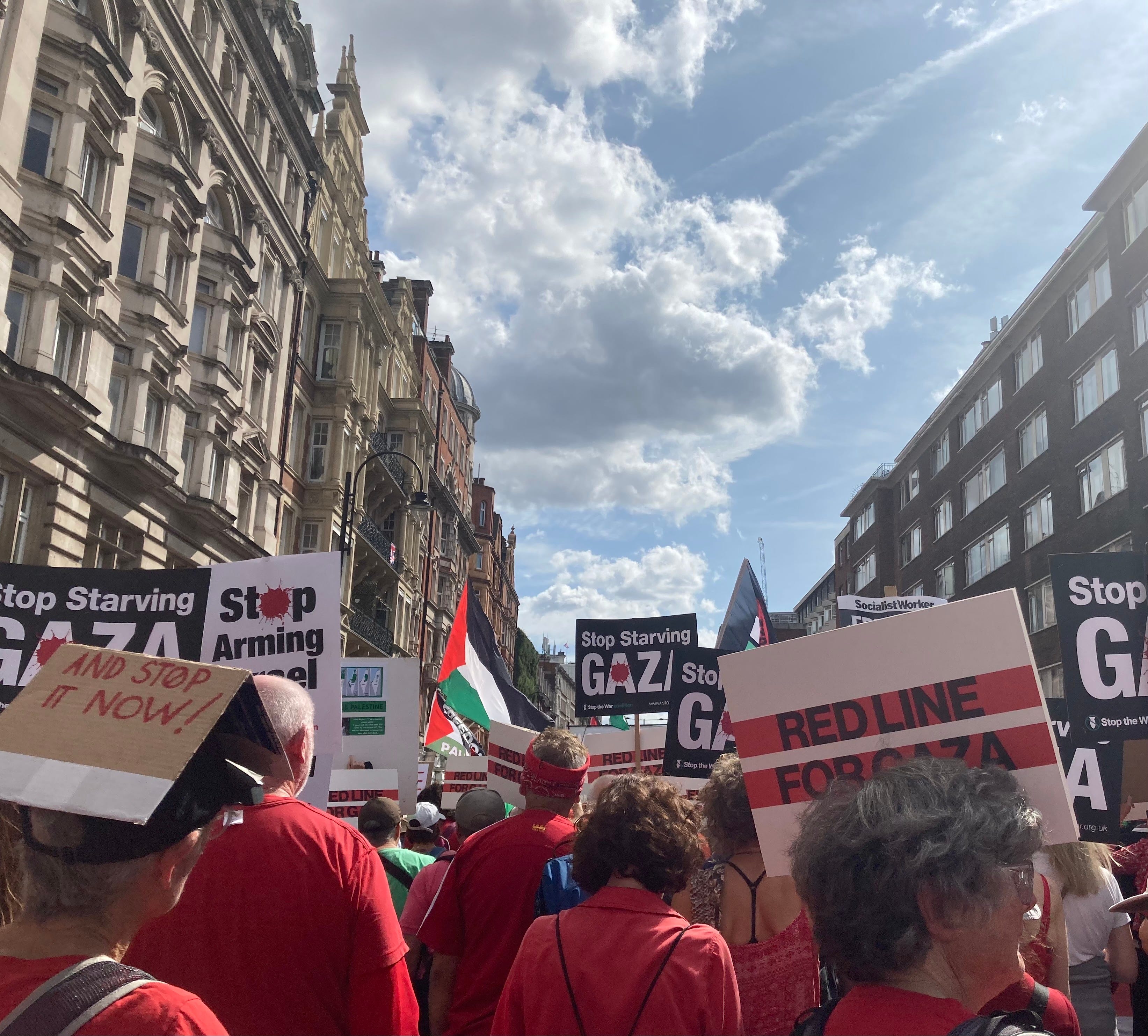
Finding ways to overcome the paralysis of climate fear, through community art and hope - everyone needs a community to be part of, and others who understand the fear - join the community on 21st September at BRIG cafe, Alison street, Birmingham - see post for details